Top 10 Jib Crane Truck Mounted Options for Global Buyers
For global buyers, a truck-mounted jib crane is more than a lifting attachment. It is a working system shaped by payload, road access, climate, and service support. This guide examines ten Jib Crane Truck Mounted options for construction, utilities, logistics, and maintenance teams. Each option deserves attention for a different reason. Some prioritize compact reach. Others offer stronger hydraulic performance or wider operating envelopes. The practical question is simple: will the crane perform safely beside a narrow road, a crowded yard, or an uneven worksite? Real purchasing decisions depend on details often missed in brochures. Think about boom articulation, rated capacity, outrigger placement, PTO compatibility, and available parts. Small gaps can become expensive delays. Very expensive delays.
The comparison focuses on measurable specifications and field experience, not impressive photographs alone. Readers will find guidance on lifting charts, mounting stability, control systems, maintenance access, and operator visibility. Manufacturer reputation also matters, but it should be tested through service records, technical drawings, training resources, and customer feedback. Regional conditions can change the best choice. A crane working in humid ports may need different protection from one serving dusty quarry roads. Certification and inspection requirements must be confirmed with qualified local professionals before purchase or deployment. No universal winner exists. A high-capacity model may be inefficient for light urban deliveries, while a compact unit may struggle with repeated heavy lifts. That distinction is easy to overlook. This Top 10 selection aims to make comparisons clearer, while acknowledging one limitation: published data may not fully reflect real-world wear, installation quality, or operator habits. Careful verification remains essential.
Jib Crane Truck Mounted Systems: Purpose, Structure, and Operating Principles
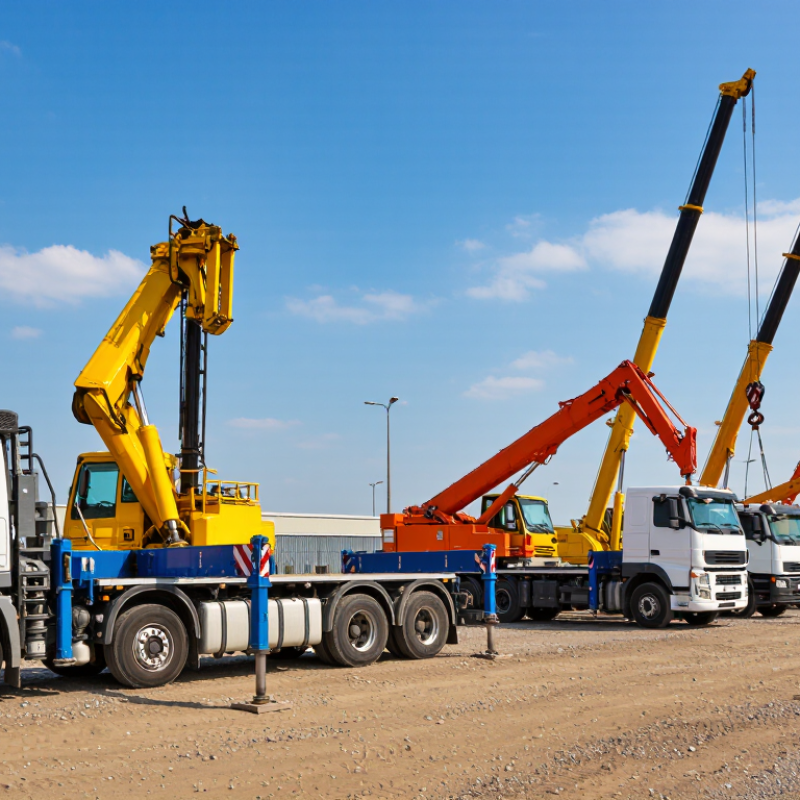
A truck-mounted jib crane combines road mobility with controlled lifting at temporary work sites. Its main purpose is loading, unloading, positioning, and placing materials where fixed cranes cannot reach. The system normally includes a mounting frame, vertical mast, slewing jib, hydraulic cylinders, winch, wire rope, hook, and stabilizing outriggers. The truck carries the equipment, but it does not automatically provide stability.
The operating principle is practical. Hydraulic power rotates the jib, changes its angle, and raises the load through the winch. The operator must read the load chart for each working radius. A heavier load becomes more demanding as the jib extends. Outriggers spread forces into the ground, while the truck frame transfers lifting reactions through the mounting structure. Uneven soil can still create trouble. Small setup errors matter. In field use, neat calculations sometimes miss wind, loose gravel, or a shifting center of gravity.
Tips: Inspect welds, hoses, pins, hooks, and wire rope before every shift. Park on firm, level ground and deploy outriggers fully. Keep people outside the lifting zone. Use a signal person when visibility is limited. Lift slowly at first, watch for unexpected movement, and stop if the crane feels unstable. Record inspections and operator training clearly. A suitable jib crane truck mounted system should match the truck’s payload, axle limits, duty cycle, and intended lifting radius—not just the advertised maximum capacity.
Top 10 Jib Crane Truck Mounted Options for Global Buyers
Jib Crane Truck Mounted Systems: Purpose, Structure, and Operating Principles
The chart compares ten commonly used truck-mounted jib crane capacity classes, from compact utility units to heavy-duty construction and industrial systems. Truck-mounted jib cranes combine a carrier vehicle, mounting frame, slewing column, hydraulic boom or jib, winch, hook, and stabilizers. Lifting capacity decreases as working radius increases, so the listed values represent nominal maximum capacity classes rather than guaranteed capacity at every reach. Actual performance depends on the approved load chart, boom length, outreach, counterbalance, ground conditions, and vehicle configuration.
Key Specifications for Comparing Truck-Mounted Jib Crane Options
Choosing among the top 10 truck-mounted jib crane options requires more than comparing headline lifting capacity. Check the rated load at several working radii, not only the maximum figure. A crane lifting 5 tonnes close to the truck may handle far less at full reach. Measure boom length, hydraulic extension, rotation angle, and hook height. Confirm the truck’s gross vehicle weight rating, axle limits, and available mounting space. The crane, tools, and cargo must work together safely.
Tips:
Request complete load charts, installation drawings, and maintenance schedules. Ask whether controls remain responsive in cold, dusty, or humid conditions. Inspect the outrigger footprint on uneven ground. Small details matter. Remote controls, hose protection, overload protection, and emergency stopping features can influence daily productivity. For global purchasing, verify electrical or hydraulic compatibility, spare-part access, operator training, and applicable local standards. An experienced installer should inspect the chassis before final selection.
A practical comparison should also consider duty cycle and service intervals. Occasional lifting needs a different configuration from continuous construction work. I have seen buyers focus on reach, then discover poor visibility around the rear platform. That mistake is expensive. Review swing clearance, transport height, parking stability, and total ownership cost. A neat spreadsheet can still mislead if installation quality is ignored. Leave room for uncertainty, because real job sites rarely match clean test conditions.
Safety Standards, Installation Requirements, and Maintenance Practices
For global buyers comparing jib crane truck mounted options, safety begins before lifting the first load. Select equipment according to the truck’s gross vehicle rating, deck strength, crane capacity, and operating radius. A crane rated for three tonnes may lift far less at full reach. Always verify the load chart. It matters.
Installation should follow the approved technical manual and applicable local lifting regulations. A qualified technician must check chassis reinforcement, outrigger placement, hydraulic connections, weld quality, and fastener torque. The truck must stand on firm, level ground, with its parking brake engaged. Soft soil can shift unexpectedly. Keep workers outside the marked swing and load-drop zones. Test the emergency stop, overload protection, limit devices, and remote controls before service. A documented commissioning inspection provides stronger evidence than a verbal assurance.
Maintenance records should show dates, findings, repairs, and the responsible inspector. Operators can perform daily checks for hydraulic leaks, cracked welds, loose pins, damaged hooks, worn chains, and unusual movement. Scheduled inspections should examine oil condition, cylinders, bearings, brakes, structural members, and safety labels. Clean components make small defects easier to see. However, checklists are not perfect. Dust, salt air, vibration, and repeated side loading may create risks that routine inspections miss. Stop operations when a defect appears, isolate the crane, and obtain a competent assessment before returning it to work. Proper training remains essential, even for experienced drivers.
Selecting the Right Jib Crane Truck Mounted System for Your Market
Selecting the Right Jib Crane Truck Mounted System for Your Market
A truck-mounted jib crane should match local roads, payloads, service skills, and weather. The top ten options usually include knuckle-boom, telescopic, compact, heavy-duty, insulated, and off-road configurations. Each choice solves a different transport problem. A narrow chassis may suit crowded city sites, while a longer boom supports distant placement. However, reach alone can mislead buyers. Stability, counterweight limits, hydraulic response, and axle loading matter more during daily work.
Market evidence deserves careful reading. The World Bank’s Logistics Performance Index 2023 covers 139 economies and shows major differences in infrastructure and delivery reliability. These gaps affect spare-parts planning and technician access. Industry forecasts also disagree because reports classify truck cranes differently. That uncertainty is useful to acknowledge. Buyers should request tested load charts, duty-cycle data, and service records, rather than trusting one market-size estimate. Compliance must follow the destination country’s lifting, road, and inspection requirements.
Tips:
Compare ten shortlisted systems using the same payload, radius, and operating hours. Check the boom at 75% outreach. Ask who can repair the hydraulic system locally. Leave capacity for wind and uneven ground. A cheaper unit may become expensive when downtime, training, and imported components are included. Do not overlook operator visibility. I have seen specifications look excellent on paper, yet poor control placement reduced practical productivity.