What to Know About Overhead Hoist Crane Purchasing?
When considering the purchase of an Overhead Hoist Crane, understanding key elements is crucial. The global overhead cranes market was valued at around $4 billion in 2022, with a projected growth rate of 4.5% annually through 2030. This reflects the increasing demand for material handling solutions in various industries.
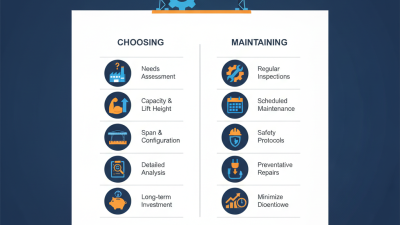
Choosing the right Overhead Hoist Crane requires expertise. Factors like load capacity, span, and lifting height must be considered. Each application has unique requirements, and misjudgments can lead to operational inefficiencies. It's vital to consult with industry professionals and analyze case studies to avoid common pitfalls.
Market trends highlight the shift toward automation and smart technology in cranes. However, not all companies adapt at the same pace. Review manufacturer credentials, inquire about warranty terms, and examine their service offerings. In this evolving landscape, reliability and ongoing support play significant roles in long-term success. Your decision can impact safety and productivity for years to come.
Factors to Consider When Buying an Overhead Hoist Crane
When considering the purchase of an overhead hoist crane, several critical factors come into play. Payload capacity should be a top priority. Understanding the maximum weight the crane must lift is essential. This impacts both the design and safety of the operation. Inspect the crane's specifications to ensure it meets your facility's needs.
Another vital aspect is the environment in which the crane will operate. Is it indoors or outdoors? Will it face harsh weather conditions? The crane's material should withstand the elements. If you're on a construction site, durability becomes even more crucial. Be mindful of the types of loads you'll lift. They may vary from heavy machinery to delicate materials.
It's also important to consider the crane's ease of use. Training staff should be straightforward, and controls should be intuitive. Don't ignore the maintenance requirements either. Regular upkeep will extend the crane's lifespan and ensure safe operation. Balancing all these aspects leads to a more informed purchase. A little reflection on your specific needs can prevent costly mistakes down the road.
Types of Overhead Hoist Cranes Available in the Market
Overhead hoist cranes are essential in many industries, simplifying the lifting and transporting of heavy materials. Different types are available on the market, each designed for specific applications. Two common categories are bridge cranes and gantry cranes. According to a 2022 industry report, bridge cranes dominate the market due to their efficiency in indoor operations.
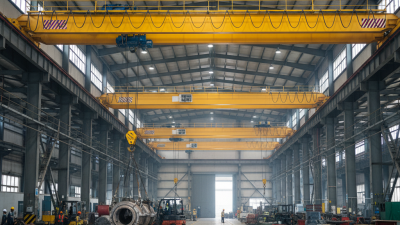
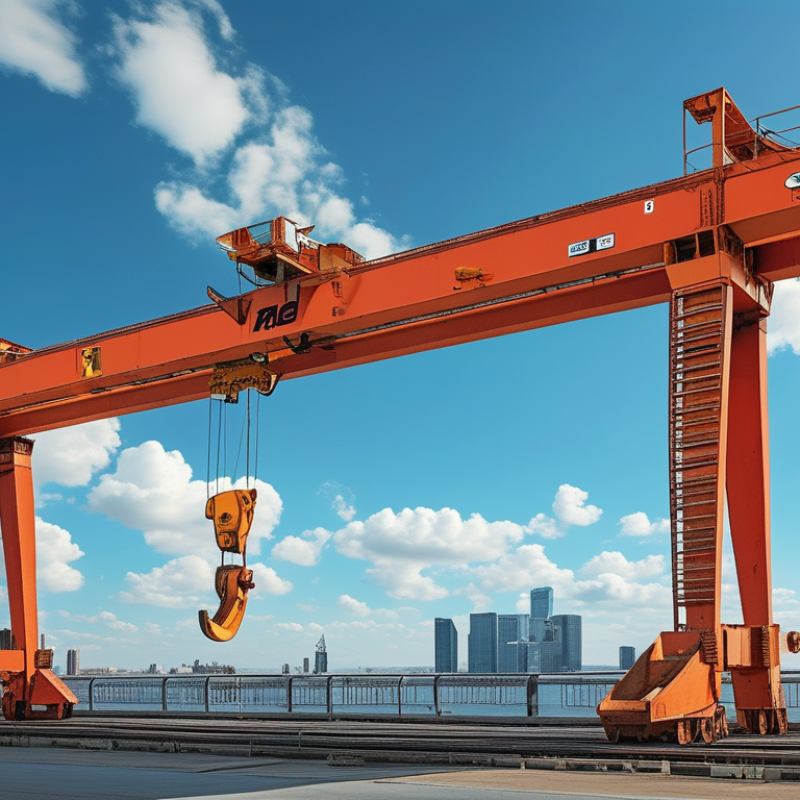
Bridge cranes typically consist of a hoist mounted on a horizontal beam. They offer high lifting capabilities, up to 100 tons, making them ideal for manufacturing and warehousing. In contrast, gantry cranes are versatile and can be used indoors and outdoors. They provide excellent mobility and can lift between 1 ton and 20 tons. Data shows that gantry cranes are increasingly popular due to their cost-effectiveness.
The choice between these types depends on the work environment. Some facilities may have space constraints or specific lifting requirements. A report by the Crane Manufacturers Association indicates that 30% of companies face challenges in choosing the right crane model. These decisions affect overall productivity and safety. Investing time in proper evaluation and selection can prevent costly mistakes.
Essential Safety Standards for Overhead Hoist Cranes
When considering the purchase of an overhead hoist crane, understanding essential safety standards is crucial. These standards ensure that the crane operates effectively while minimizing risk. Familiarize yourself with regulations from relevant authorities. Compliance can significantly enhance safety in the workplace.
It is important to assess the crane’s load capacity and performance. Different tasks require specific types of cranes. Conduct a thorough analysis to determine which model best suits your needs. Also, keep in mind that older cranes may not meet current safety guidelines. Regular inspections can reveal potential hazards.
Evaluate the training for operators and maintenance staff. Proper training is essential for safe crane operation. Engage in continuous education to address new safety practices. Sometimes the basics are overlooked, leading to accidents. Regularly revisit safety protocols and adjust as necessary.
What to Know About Overhead Hoist Crane Purchasing? - Essential Safety Standards for Overhead Hoist Cranes
| Dimension |
Description |
Safety Standard |
| Load Capacity |
Maximum load the crane is designed to lift |
ASME B30.17 |
| Span |
Distance between crane runways |
ANSI/ASME B30.2 |
| Headroom |
Vertical clearance above the hook |
OSHA 1910.179 |
| Control System |
Type of controls used for operation |
ISO 4301 |
| Inspection |
Procedures for regular checks and maintenance |
ANSI/ASME B30.20 |
Cost Analysis: Budgeting for Crane Purchase and Installation
When budgeting for an overhead hoist crane, careful consideration is essential. The initial purchase cost is one of the significant factors. Prices can vary widely based on capacity and features. Installation costs also play a crucial role. Knowing this can help allocate funds more accurately.
Consider additional expenses, too. Training for operators may add to your budget. Regular maintenance costs should not be overlooked. A well-maintained crane can prevent costly repairs later. Paying attention to these details makes financial planning more robust.
Reflect on potential overestimations. It's easy to miscalculate your budget, especially if it's your first purchase. Understanding the market can help mitigate this risk. Seek advice from industry experts, as their insights can provide valuable guidance. Making an informed decision will lead to a more successful investment in the long run.
Maintenance Tips for Prolonging Overhead Hoist Crane Lifespan
Overhead hoist cranes play a vital role in various industries, facilitating the movement of heavy materials. Proper maintenance is crucial for prolonging their lifespan. Reports indicate that inadequate maintenance can reduce a crane's operational life by 20-40%. Regular inspections can identify potential issues early, saving organizations from costly repairs and downtime.
Conducting daily checks is essential. Inspect cables, hooks, and the overall structure for wear and tear. Over time, friction and environmental factors can weaken these components. A study found that addressing minor defects promptly can increase a crane’s efficiency by up to 15%. Keep a detailed log of maintenance activities to track any recurring problems. This documentation aids in understanding wear patterns.
In addition to routine checks, lubrication is key. Lubricate moving parts regularly to prevent unnecessary wear. Implement a strict schedule for maintenance to avoid lapses. Industry data shows that cranes failing to meet maintenance schedules can encounter failures 30% more frequently. The right maintenance practices lay a strong foundation for operational safety and longevity, yet many still overlook these basic steps.