How to Identify Different Overhead Crane Parts for Purchase?
In the world of overhead cranes, understanding the intricacies of overhead crane parts is crucial. John Thompson, an industry expert with over two decades of experience, emphasizes, "Selecting the right components can significantly enhance crane performance." This insight echoes the importance of knowing what to look for when purchasing these essential parts.
Overhead crane parts include critical components like hoists, trolleys, and end trucks. Each part plays a vital role in ensuring safety and efficiency. However, identifying the right parts can be challenging for many buyers. With various manufacturers and specifications, one must navigate through a sea of options. It’s essential to research and ask questions before making a purchase.
Attention to detail is paramount. For instance, the weight capacity of a hoist must match the intended use. A mismatch can lead to serious accidents. Additionally, some customers may overlook the importance of compatibility among various parts. This oversight can lead to unnecessary costs and operational delays. Understanding overhead crane parts means taking the time to study specifications and seeking advice from trusted sources.
Understanding Overhead Crane Components and Their Functions
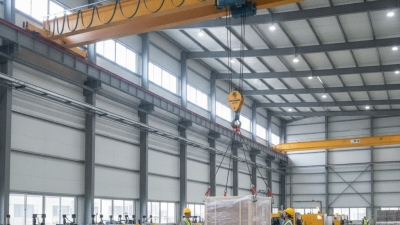
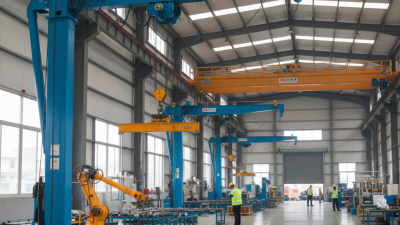
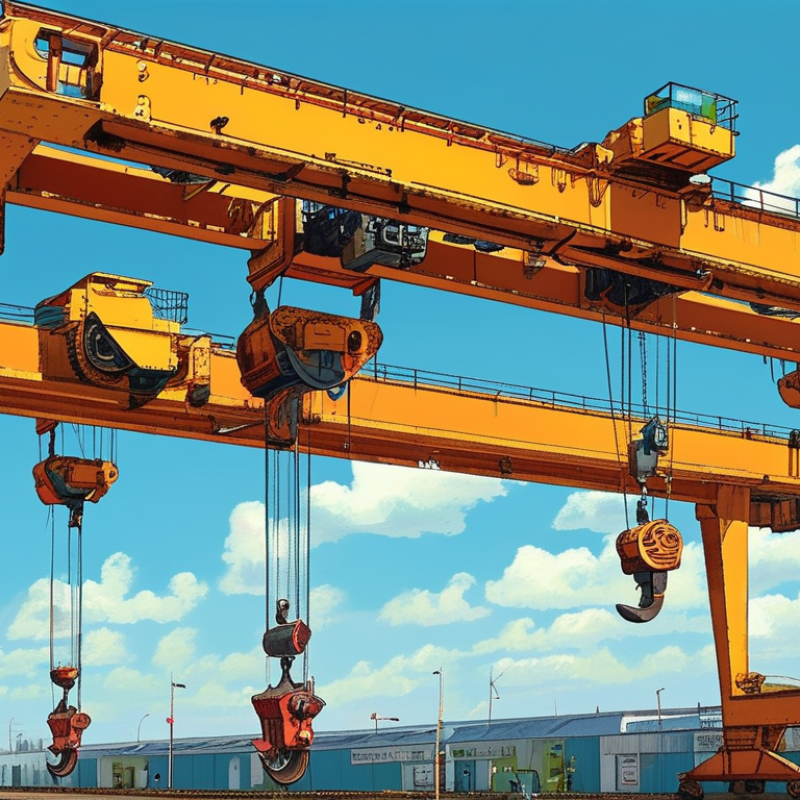
Understanding the components of an overhead crane is crucial for making informed purchases. Each part has a specific function that ensures the crane operates safely and efficiently. The main components include the bridge, hoist, and trolley. The bridge spans the workspace, allowing the crane to move heavy loads across. It must be robust to support weight and withstand stresses during operation.
The hoist is the powerhouse of the crane. It lifts and lowers loads with precision. Understanding the capacity of the hoist is essential. Overestimating can lead to dangerous situations. The trolley runs along the bridge, providing lateral motion. It allows the crane to maneuver loads in tight spaces. Each part must work seamlessly together, underscoring the importance of compatibility among components.
Choosing the right parts is not just about performance; it also involves reliability. Parts should be durable and meet safety standards. Regular inspections help identify wear and potential issues. Small inconsistencies can escalate into larger problems if not addressed. Knowing the function of each component allows for better maintenance and extended lifespan of the crane.
Key Features to Consider When Purchasing Overhead Crane Parts
When purchasing overhead crane parts, key features play a significant role in ensuring optimal performance. Start by examining the materials used in production. Steel components are preferred due to their strength and durability. However, consider the weight and load capacity as well. A lighter part might be easier to handle, but does it compromise safety? Always verify the specifications against your operational needs.
Next, check for quality certifications. Certified products often undergo rigorous testing, making them more reliable. Look for parts with documented performance histories. This can provide insights into their long-term reliability. Be cautious, though; higher prices don't always guarantee better quality. Compare various suppliers and read reviews for more informed choices.
Compatibility is another crucial factor. Ensure the parts fit seamlessly with your existing system. This can prevent operational hiccups. Remember to assess warranty and support policies provided by sellers. A good warranty reflects confidence in the product. Yet, some may offer limited terms, so read the fine print carefully. Taking all these details into account can lead to smarter purchasing decisions and a more efficient crane operation.
Unique Identifiers for Different Types of Overhead Crane Parts
When purchasing overhead crane parts, understanding unique identifiers is crucial. Each part serves a specific function. Identifying these parts can save time and money in the procurement process.
Look for the part number often stamped on the component. This number provides key details about compatibility and specifications. For example, a hoist may have a distinct identifier for its lifting capacity. Understanding these codes helps ensure you select the right part.
Material composition is another identifier to consider. Different crane parts use materials that affect their durability and performance. Steel is common for structural components, while certain bearings may require specialized alloys. Be aware of these details. A mismatch can lead to operational issues.
Purchase from reputable suppliers who can provide accurate specifications. A transparent supplier will offer information about the part’s certifications and standards. This assures that you receive high-quality, reliable components for your crane system.
Before finalizing the purchase, compare features of similar parts. Even small variations can significantly impact performance. Take time to evaluate all available options. Ensuring the best fit for your needs requires careful consideration.
Overhead Crane Parts Identification
Best Practices for Inspecting Overhead Crane Components Before Purchase
When inspecting overhead crane components before making a purchase, focus on key areas that ensure reliability and safety. Start with the structural integrity of the crane. Check for signs of wear, corrosion, or fractures. These issues can greatly impact the performance and safety of the crane. Pay attention to the welds and joints; they should be smooth and free from cracks. Any irregularities might indicate poor maintenance or potential failure points.
Next, examine the lifting components such as hooks and hoists. Ensure that they are free from deformation and excessive wear. Look for proper alignment and functionality. A worn hook can lead to dangerous situations during operations. Additionally, inspect the electrical components. Look for frayed wires or any visible damage. Faulty electrical systems can be a major safety hazard.
Document each aspect of your inspection. This step is essential for future reference and negotiation. If possible, consider consulting with a professional if you notice anything concerning. Trust your instincts; if anything seems off, proceed with caution. The goal is to ensure that the equipment you invest in will perform as expected and keep operators safe.
How to Identify Different Overhead Crane Parts for Purchase?
| Part Name |
Description |
Material |
Inspection Criteria |
| Hoist |
Mechanism that lifts and lowers loads |
Steel |
Check for wear, corrosion, and functionality |
| Trolley |
Moves hoist horizontally along the beam |
Aluminum/Steel |
Inspect wheels, alignment, and movement ease |
| Bridge |
Supports the trolley and hoist |
Steel |
Look for cracks, bends, and overall integrity |
| End Trucks |
Connects the bridge to the runway |
Steel |
Check for wheel wear and structural stability |
| Control System |
Operates the hoist and trolley |
Electrical Components |
Test for responsiveness and safety features |
| Wire Rope |
Used for lifting loads |
Steel |
Inspect for fraying, kinks, and corrosion |
Where to Source High-Quality Overhead Crane Parts for Best Value
When sourcing high-quality overhead crane parts, it's crucial to focus on reliability and expertise. Start by visiting specialized suppliers who focus on material handling equipment. Look for vendors that have a proven track record in the industry. Their experience often translates to better product knowledge and customer service. Check for certifications and standards their parts meet, which can indicate quality.
Online marketplaces offer a convenient option but can be hit or miss. Carefully read reviews and ratings before making a purchase. Sometimes, these platforms feature inconsistent quality. Consider contacting the seller directly to ask about their sourcing practices. It’s essential to ensure the parts you’re considering have been tested for performance and durability.
Local distributors can also be a good source. Building a relationship with them may lead to better deals and personalized service. Keep in mind that not all parts are created equal. There may be a learning curve in understanding the specific needs of your crane. Investing time in research pays off in the long run. Make sure to compare prices and specifications to find the best value for your investment.