10 Essential Tips for Choosing the Right Wall Crane for Your Project?
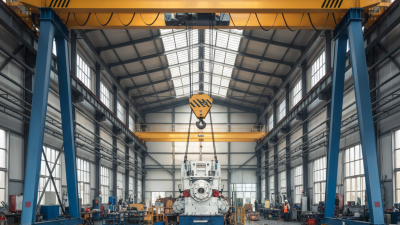
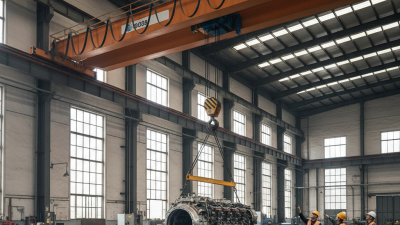
Choosing the right wall crane is crucial for any construction or manufacturing project. A wall crane can significantly enhance the efficiency of your operations. However, selecting one requires careful consideration. You need to assess various factors before making a decision.
Understanding your needs is the first step. What will the crane be lifting? Knowing the weight and type of materials is essential. Not all wall cranes are the same. They come in different configurations and weight capacities. This variation can impact your workflow.
Additionally, consider the installation location. The structure must support the crane and its load. Failure to account for this can lead to problems. You should also consult experts for advice. Their experience can help you avoid costly mistakes. Ultimately, investing time in research will pay off with improved productivity and safety.
Understanding the Different Types of Wall Cranes Available
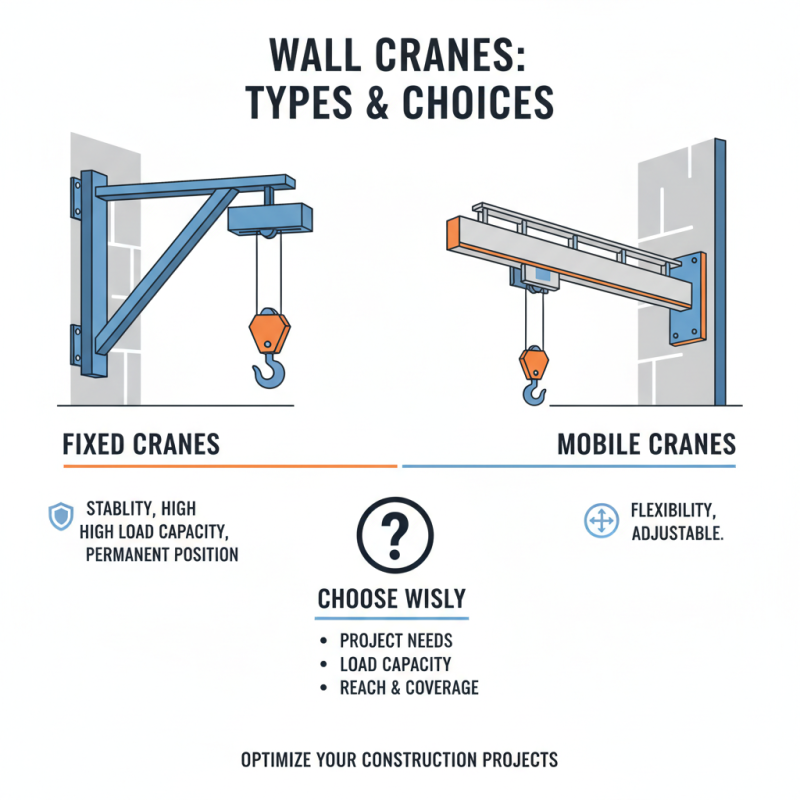
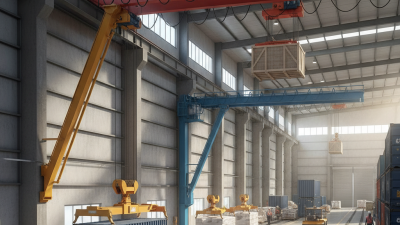
When it comes to wall cranes, understanding the different types available is crucial for any construction project. Wall cranes can vary significantly in design and function. There are fixed cranes, which provide stability, and mobile options that allow flexibility. It’s important to analyze the needs of your project. Consider the load capacity and reach each type offers.
Choosing the right wall crane requires careful evaluation. Think about the space where the crane will operate. Ensure that it fits within the designated area and does not obstruct other work processes. Inspect how easily it can be installed and maintained. This attention to detail can prevent issues down the line.
Always consider how frequently the crane will be used. If it’s a one-off project, a simpler model might be best. However, for ongoing tasks, investing in a more robust option could save time and effort. Seek expert advice when necessary. Understanding the distinct features of each model enhances decision-making. The goal is to find a wall crane that meets safety standards while offering efficiency and reliability during operation.
Assessing the Load Capacity Requirements for Your Project
When selecting a wall crane, load capacity is crucial. Underestimating the required capacity can lead to accidents or project delays. According to industry data, nearly 30% of construction accidents involve improper use of lifting equipment. Therefore, accurately assessing load requirements is essential.
Consider your project's specific needs. Evaluate the weight of materials you will lift. The crane's load capacity should exceed this weight. For instance, if you plan to lift materials weighing 2 tons, choose a crane with a capacity of at least 2.5 tons. This safety margin provides an essential buffer.
Review the crane's specifications. Understand how load distribution affects performance. Some cranes might not handle uneven loads well. Always check for manufacturer guidelines on load limits. Misjudging these can result in critical failures.
Also, assess the environmental conditions. Outdoor jobs may expose the crane to wind or rain. This could impact load handling capabilities. You might need a crane with enhanced features for stability. Make informed choices based on solid data and industry insights. Cranes are vital tools, and understanding their specifications will prevent costly mistakes.
Evaluating the Space and Installation Constraints of Wall Cranes
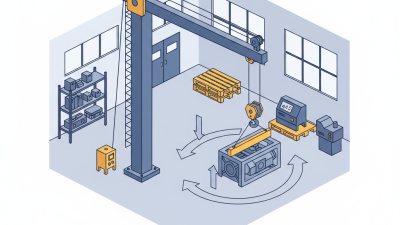
When choosing a wall crane, evaluating the space and installation constraints is critical. A well-planned installation area can significantly impact the crane's performance. Measure the wall’s structural integrity before making a decision. Is the wall suitable for mounting? Assessing this will prevent future complications.
Consider ceiling height and nearby structures. Inspect overhead obstructions like beams, pipes, or electrical wiring. Limited space can necessitate a more compact crane design. Understanding your project's layout helps ensure optimal crane operation.
Keep in mind that wall cranes require specific installation techniques. Ensure you have a qualified professional for this task. If installation is rushed or poorly done, the crane’s functionality may be compromised. A safe installation cannot be overlooked. Evaluate every detail to avoid potential risks later on.
10 Essential Tips for Choosing the Right Wall Crane for Your Project
| Tip Number |
Tip Description |
Considerations |
| 1 |
Assess Load Capacity |
Determine the maximum weight the crane will need to lift. |
| 2 |
Analyze Available Space |
Measure the installation area to ensure enough room for the crane's operation. |
| 3 |
Check Installation Constraints |
Evaluate wall strength and nearby obstructions. |
| 4 |
Consider Crane Type |
Choose between manual, electric, or pneumatic cranes. |
| 5 |
Evaluate Safety Features |
Look for emergency stop buttons and overload protection. |
| 6 |
Check Control Mechanisms |
Consider remote control options and ease of operation. |
| 7 |
Investigate Maintenance Requirements |
Understand the upkeep needed for optimal performance. |
| 8 |
Review Manufacturer Reputation |
Research the reliability and customer feedback of the manufacturer. |
| 9 |
Consider Cost Efficiency |
Assess the overall cost versus the benefits it provides. |
| 10 |
Plan for Future Needs |
Consider potential expansion or increased load requirements. |
Analyzing the Safety Features Essential for Wall Cranes
When selecting a wall crane, safety features should be a top priority. According to industry research, nearly 30% of crane-related accidents stem from equipment failure or improper use. Thus, understanding safety certifications is critical. Cranes must meet standards set by regulatory bodies. Look for cranes with rigorous testing and certifications, like those established by OSHA or ANSI.
Load capacity indicators are an essential feature. They help prevent overload situations, which can lead to catastrophic failures. A study indicated that approximately 20% of crane accidents are due to overload. Additionally, check for safety devices like limit switches. These can automatically stop the crane if it exceeds a set parameter, enhancing operational safety.
Another vital aspect is the crane's operational environment. For instance, cranes used in damp or extreme conditions need specific materials and coatings. Regular maintenance checks are essential to ensure all safety features are functional. Reports suggest that poorly maintained equipment contributes to 40% of crane accidents. Investing in safety features translates to a safer worksite and can save lives.
Considering Budget and Cost-Effectiveness in Your Selection Process
When selecting a wall crane, budget considerations are paramount. A well-thought-out budget helps avoid overspending and ensures your project remains viable. Start by assessing your project needs. Understand the specific tasks the crane will perform. This will guide your decision-making process.
Cost-effectiveness shouldn’t only focus on the crane’s purchase price. Consider maintenance costs, energy consumption, and potential downtime. Choosing a crane that's cheaper upfront may lead to higher costs later. Costs can add up if the crane doesn't fulfill your needs. Pay attention to lifting capacity and durability. Less expensive models may not withstand heavy use, leading to frequent repairs.
An investment in quality often pays off. A reliable crane can improve productivity and reduce safety risks. Always research various models within your budget. Look for reviews and feedback from users. Evaluate not just the price but the overall value the crane offers. Remember, reflections on past mistakes can lead to better decisions. It’s important to think critically about your choices. Investing time in research upfront can save you money and headaches in the long run.