10 Essential Tips for Choosing a Double Girder Overhead Crane?
Choosing a Double Girder Overhead Crane can significantly impact your operations. These cranes are designed for heavy loads and large spans. They offer stability and versatility, making them a popular choice in various industries.
When selecting a crane, consider your specific needs. The weight capacity is crucial and should align with your operational requirements. Additionally, understand the dimensions of your workspace. This includes ceiling height and available floor space. These factors affect installation and operation.
Quality and reliability are paramount. Research manufacturers with a proven track record. Look for cranes that meet safety standards. Also, think about maintenance requirements. A well-maintained crane ensures longevity and optimal performance. Ultimately, the right Double Girder Overhead Crane can enhance productivity and safety in your workplace.
Understanding Double Girder Overhead Cranes and Their Applications
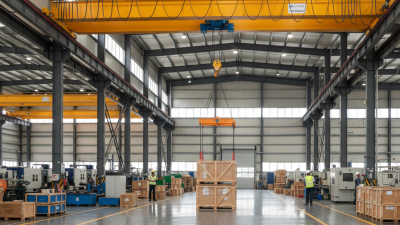
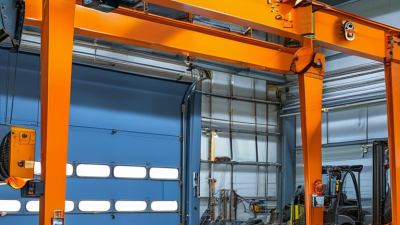
Double girder overhead cranes are essential in various industries for their superior lifting capabilities. They often feature two beams, providing added stability and strength, ideal for handling heavy loads. According to industry reports, these cranes can lift weights exceeding 100 tons, making them suitable for manufacturing, construction, and shipping. Understanding their applications can help businesses optimize their operations and enhance safety.
Choosing the right crane is crucial. Here are some tips: Consider the lifting capacity needed for your operations. Assess the working environment, including height and space constraints. Maintenance plays a significant role; opt for cranes with accessible components for easier servicing. Analyze the crane’s duty cycle to ensure it meets your operational demands.
Additionally, evaluate the technology used in the crane. Advanced models offer automation and safety features, reducing operation errors. A robust safety system can prevent accidents and ensure smooth operation. Remember, regular training for operators is vital. Fostering a culture of safety and proficiency can mitigate risks associated with heavy lifting. Gather input from your team about their experiences; it can reveal areas needing improvement, ultimately leading to better efficiency and safety outcomes.
Key Factors to Consider When Selecting Double Girder Overhead Cranes
When selecting a double girder overhead crane, several key factors require careful consideration.
Load capacity is paramount. You must determine the maximum weight the crane will need to lift.
According to industry data, cranes can lift loads ranging from 2 tons to over 100 tons, depending on the model.
Ensure the chosen crane meets your specific needs without overestimating your load requirements, which could lead to inefficiencies.
Additionally, consider the span length and lift height. A crane's span typically ranges from 10 to 40 feet.
However, longer spans may require specialized design features to maintain stability and safety.
Inspecting the available space in your facility is crucial. Will the crane fit within your overhead clearance?
Standard clearances usually range from 10 to 20 feet.
Finally, pay attention to power source options. Most cranes operate on electric power, yet diesel or hybrid models are emerging in the market.
Each power type offers advantages and potential drawbacks. For example, electric cranes are often more efficient,
while diesel models provide mobility in outdoor environments. Failure to consider these factors could result in operational challenges or safety risks.
Proper analysis before purchase is essential to ensure reliability and efficiency in your operations.
Evaluating Load Capacity and Span Requirements for Your Crane
When selecting a double girder overhead crane, assessing load capacity and span requirements is crucial.
Understanding the specific weight of your materials is essential. Different projects require different lifting capacities.
A crane that isn't suited for your load can lead to safety hazards. For example, if you expect to lift 20 tons but choose
a crane rated for only 15 tons, you risk accidents or damage.
Span requirements also play a significant role in your crane's performance. Measure the distance between columns
or walls where the crane will operate. You need to ensure the span accommodates your lifting tasks without causing strain.
If the span is too short, it limits your operational reach. Conversely, an excessively long span can compromise stability.
The right configuration can enhance efficiency.
It's important to consult with experts during this evaluation. They can provide valuable insights based on industry standards.
Relying solely on vague online information can lead to poor decisions.
It's wise to review case studies or past projects that reflect your needs. Knowing your specific requirements helps in
selecting the most appropriate crane.
Safety Features and Compliance Standards for Overhead Cranes
When selecting a double girder overhead crane, it's crucial to prioritize safety features. Overhead cranes are vital in various industries, raising and moving heavy loads. According to OSHA reports, proper compliance can reduce workplace incidents by nearly 30%. Safety features, like overload protection and emergency stop buttons, must be non-negotiable in your considerations.
Tip: Check for compliance with ANSI/ASME B30.2 standards. This ensures your crane's design and operation meet essential safety guidelines. Look for cranes equipped with alarms that alert operators to potential hazards. Such features can save lives and decrease costs related to workplace injuries.
It's also important to note that not all cranes are built equally. Regular maintenance inspections are essential to compliance. Research indicates that cranes that undergo annual inspections are 50% less likely to experience failures. Relying solely on initial safety ratings can be misleading. Regular evaluations ensure all components, from hooks to cables, meet necessary safety standards. Choose wisely; your choices impact overall safety in the workplace.
Safety Features and Compliance Standards of Double Girder Overhead Cranes
Maintenance and Support Services for Double Girder Overhead Cranes
When selecting a double girder overhead crane, maintenance and support services play a crucial role. According to industry studies, proper maintenance can extend the lifespan of these cranes by up to 30%. Regular inspections are essential. They help identify potential issues before they become costly problems.
Trained professionals should perform maintenance checks. This ensures compliance with safety standards and operational efficiency. Data from the Crane Manufacturers Association of America indicates that well-maintained cranes reduce unexpected downtime by 50%. Yet, many facilities fail to prioritize this aspect. This oversight can result in significant operational disruptions.
It’s vital to have a service plan in place. This can include scheduled inspections, repairs, and part replacements. Reliable support is necessary for the safe operation of a double girder crane. When issues arise, having access to prompt assistance is invaluable. The reality is that many operators underestimate the importance of quality maintenance, which can lead to serious accidents. Addressing these gaps is essential for safe and efficient operations in any heavy lifting environment.
10 Essential Tips for Choosing a Double Girder Overhead Crane
| Tip Number |
Tip Description |
Considerations |
Maintenance Tips |
| 1 |
Determine Load Capacity |
Evaluate the maximum weight to be lifted. |
Regularly check the capacity limit signs. |
| 2 |
Assess Span Requirements |
Measure the distance between supports. |
Inspect for wear and tear on tracks. |
| 3 |
Select the Right Controls |
Choose between manual and automated controls based on use. |
Ensure controls are easily accessible. |
| 4 |
Consider Power Supply |
Check electrical supply compatibility. |
Regularly inspect electrical connections. |
| 5 |
Evaluate Safety Features |
Look for features like emergency stops and load limiters. |
Conduct safety training for operators. |
| 6 |
Check Build Quality |
Assess the materials and craftsmanship. |
Inspect for signs of corrosion regularly. |
| 7 |
Review Manufacturer Support |
Ensure there's good customer service. |
Keep contact with the manufacturer for support. |
| 8 |
Look for Customization Options |
Consider if customization is needed for specific tasks. |
Document any custom modifications for maintenance. |
| 9 |
Analyze Installation Requirements |
Evaluate the installation space and requirements. |
Plan installation ahead of time with professionals. |
| 10 |
Consider Future Expansion |
Think about future needs and workflows. |
Schedule regular assessments as operations change. |