2026 How to Choose the Right Garage Overhead Crane for Your Needs?
In the evolving world of material handling, selecting the right Garage Overhead Crane is critical to operational efficiency. The global crane market is expected to reach $37.7 billion by 2026, highlighting the growing demand for effective lifting solutions. Garage Overhead Cranes are instrumental in various industries, from manufacturing to construction, where precise load handling is essential.
When considering a Garage Overhead Crane, it is crucial to assess specific needs. Factors such as load capacity, span, and lifting height can significantly impact productivity. Reports indicate that 63% of facilities see improved workflow efficiency after implementing tailored crane solutions. Design flaws or mismatched specifications can lead to operational setbacks and increased downtime, underscoring the importance of informed choices.
Moreover, the selection process requires careful evaluation of safety features and usability. Regulations in the crane industry can be complex, and compliance is non-negotiable. A well-chosen Garage Overhead Crane can minimize risks and enhance worker safety. Therefore, understanding industry standards is vital for investment returns and operational reliability. The journey to find the right crane may seem daunting, but careful consideration and thorough research can lead to a perfectly aligned solution.
Understanding Garage Overhead Cranes: Types and Functions
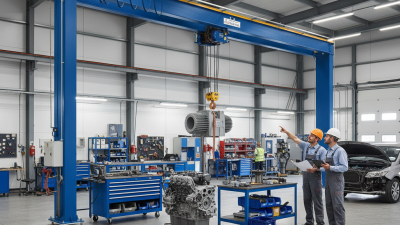
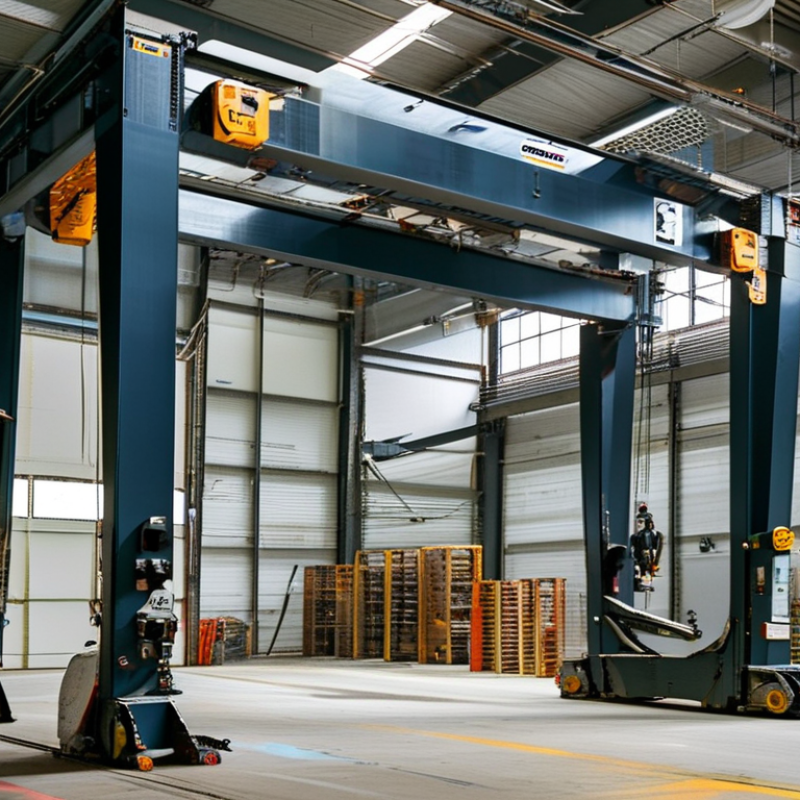
Understanding garage overhead cranes is essential for effective material handling. These cranes are crucial in various settings, ranging from small workshops to large industrial facilities. The primary types of garage overhead cranes include single girder, double girder, and articulating cranes. Each type serves specific functions based on load capacity and workspace dimensions.
Single girder cranes, for example, are suitable for lightweight applications, supporting loads up to 10 tons. They occupy less vertical space, making them ideal for garages with lower ceilings. On the other hand, double girder cranes are more robust. They can manage heavier loads, often exceeding 50 tons, and are better in large-scale operations. According to a 2022 industry report, the market for overhead cranes is projected to grow steadily, driven by increasing demand in the construction sector.
When choosing a crane, consider your specific needs. Evaluate the maximum load, lift height, and available space. A 2021 survey indicated that 37% of users faced challenges with crane height limitations. Selecting the right crane can prevent issues related to insufficient lifting capability. Ensure that the crane's specifications align with your operational requirements. It's worth reflecting on ongoing maintenance needs as well. Regular inspections and upkeep can significantly prolong the lifespan of your equipment.
Assessing Your Lifting Needs: Capacity and Size Considerations
When selecting a garage overhead crane, one of the foremost considerations is assessing your lifting needs. The capacity you require is a critical factor. According to industry reports, most garage cranes can lift between 1 ton and 5 tons. However, the specific weight you need to lift will dictate the type of crane necessary for your operations. Underestimating this capacity can lead to operational inefficiencies or even risks to safety.
Size is another crucial aspect. The dimensions of your workspace will influence the crane's design and installation. For instance, a crane that fits comfortably in a two-car garage may not suffice for larger industrial spaces. Moreover, the height of your garage plays a pivotal role. If the crane is too tall, it may restrict movement and access. A study by the Material Handling Industry of America (MHIA) indicated that 45% of crane failures result from mismatched dimensions. This emphasizes the importance of making precise measurements before purchasing.
Consider the layout of your workspace. Many facilities must accommodate machinery, storage, and pathways. A crane that occupies too much space can disrupt workflow. To prevent costly mistakes, engage with experts or conduct thorough research. Lifting needs are often unique, and it’s vital to reflect on your operational requirements. Each choice can significantly impact efficiency.
2026 How to Choose the Right Garage Overhead Crane for Your Needs?
Evaluating Space Requirements: Installation and Clearance Factors
When selecting a garage overhead crane, evaluating space requirements is crucial. Measurement accuracy affects installation and efficiency. Begin by assessing the height and width of your garage. Clearances above the crane, as well as around it, can determine operational safety and effectiveness. A cramped space risks damage to the crane and surrounding objects.
Tips: Measure your space thoroughly. Consider potential obstructions such as beams and lights. Leave enough room for operators and maintenance.
Ceiling height is particularly important. A crane that is too tall for your garage will lead to improper functionality. Also, think about the load capacity. Heavier loads may require different configurations, impacting space. Think creatively and consider future needs as well.
Tips: Plan for flexible configurations. Allow space for adjustments and upgrades. Anticipate changes in operational demands.
Safety Features: Essential Guidelines for Choosing a Crane
When selecting a garage overhead crane, safety features should top your criteria. A reliable crane should meet rigorous safety standards. Look for features like overload protection. This prevents lifting beyond the crane’s capacity, a common cause of accidents. Additionally, emergency stop buttons are crucial. They allow operators to halt operations instantly, minimizing risks during emergencies.
Pay attention to the crane’s stability. An unstable crane can lead to severe injuries. Ensure that it has a solid base and is designed for the specific loads you intend to lift. Safety chain systems also enhance security. They protect against equipment failure, providing an extra layer of trust. Regular maintenance checks are vital too. This helps in identifying any potential failures before they lead to incidents.
Sometimes, the most advanced features can be overlooked. Simplicity often yields reliability. Operators should be trained properly. Mistakes can happen even with the safest equipment. Human error is a critical factor in crane operations. Establishing a culture of safety can make a significant difference. Encourage continual learning and awareness. Ensuring safety is not just about the machine; it involves everyone who operates it.
Budgeting for Your Crane: Costs and Maintenance Considerations
Budgeting for a garage overhead crane goes beyond just its initial purchase price. Crane types, capacities, and specifications significantly affect the total expenditure. According to industry reports, basic overhead cranes can range from $10,000 to over $100,000. The price fluctuates based on the features and capacity required. For businesses, understanding these cost variables is crucial for effective budgeting.
Maintenance is another essential aspect. Regular maintenance can elevate a crane's lifespan and performance. Data shows that most cranes require annual inspections. Neglect can lead to costly repairs, potentially reaching 20% of the crane’s initial cost. It's important to allocate funds for these checks proactively. Early identification of issues prevents operational delays.
Consider energy costs as well. Cranes can consume a significant amount of power. Studies indicate that energy costs can account for 15% of overhead expenses. Evaluating energy-efficient models makes sense in the long run. The implications of these factors can impact your financial planning significantly. Each detail deserves careful thought and consideration.