2026 How to Choose the Right Crane Hoist for Your Needs?
Choosing the right crane hoist for your needs can be overwhelming. With so many options available in the market, it's essential to understand the key features that matter most. Cranes hoist are crucial tools used in various industries, from construction to manufacturing. Selecting the wrong type can lead to inefficiencies and safety hazards.
Experts recommend considering capacity first. What loads will you be lifting? Underestimating your needs can result in accidents and equipment failure. For instance, a crane hoist designed for light loads won't handle heavy steel beams effectively. You should evaluate the power source too. Electric models are efficient, but sometimes a pneumatic or hydraulic hoist may suit your operation better.
Each application presents unique challenges. Reflect on the working environment. Outdoors may require weather-resistant models, while indoor uses might focus on space constraints. It's also essential to think about future needs. Will your workload increase? Be mindful that a short-term choice might lead to regrets later on. Careful consideration of these factors will guide you in making the right decision.

Understanding the Different Types of Crane Hoists Available
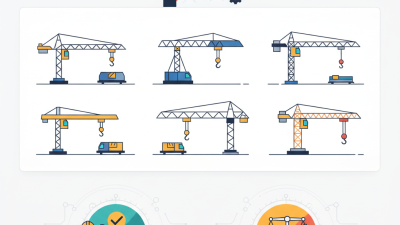
When selecting the right crane hoist, understanding the different types available is crucial. There are primarily electric, manual, and pneumatic hoists. Each type caters to specific needs. Electric hoists are often used in industrial settings. A recent report indicated that electric crane hoists account for over 60% of the market. This popularity stems from their efficiency and lifting capabilities. They are suitable for heavy loads and frequent use.
Manual hoists, on the other hand, are often used in smaller operations. They require human power to lift loads. Although they are less common, they provide flexibility in tight spaces. A survey noted that 25% of small businesses prefer manual hoists due to their lower cost and minimal maintenance. However, users must consider the physical demands and potential fatigue involved. Pneumatic hoists are less common but valuable in specific applications, particularly in environments with flammable materials. They offer safety benefits but can be costly in terms of installation and maintenance.
Choosing the correct type of crane hoist depends on many factors. Load weight, frequency of use, and the working environment all play key roles. While electric hoists provide many advantages, manual and pneumatic options can also meet specific needs effectively. Understanding these differences can enhance operational efficiency and safety.
Key Factors to Consider When Selecting a Crane Hoist
When selecting a crane hoist, several key factors play crucial roles. First, assessing the lifting capacity is essential. Most hoists have specific load limits. For industrial settings, ensuring the crane can handle the maximum weight without risk is vital. Reports indicate that a significant percentage of accidents occur due to exceeding weight limits. Thus, proper calculation based on your needs is imperative.
The type of control system is another important consideration. Manual, electric, and pneumatic hoists each serve different applications. Electric hoists, for example, provide ease in operation and can lift heavier loads with precision. However, they may require more maintenance. A 2021 industry review found that 40% of companies reported operational issues due to outdated control systems. Regular assessments and upgrades can prevent potential downtime.
Finally, compatibility with your existing infrastructure cannot be overlooked. The hoist must fit the design of your workspace, especially regarding dimensions and mounting options. Some facilities lack appropriate support structures, which can complicate installation. One-third of companies surveyed in a recent study faced challenges during installation due to improper fit. Choosing the right crane hoist goes beyond lifting; it involves evaluating how well it integrates into your operational framework.
Evaluating Load Capacity and Safety Ratings for Your Needs
When selecting a crane hoist, evaluating load capacity and safety ratings is crucial. According to the American National Standards Institute (ANSI), a hoist's load capacity must exceed the maximum load it will handle. This factor ensures operational safety and efficiency. Typically, a safe working load (SWL) should be 25% higher than the expected load. This extra margin accounts for unexpected stress and helps prevent equipment failure.
Safety ratings are equally important. The Occupational Safety and Health Administration (OSHA) emphasizes the significance of adhering to safety standards. Hoists must be inspected regularly and certified by accredited organizations. A common mistake is neglecting maintenance schedules, which can compromise safety. Adhering to manufacturer guidelines and local regulations is essential for avoiding accidents.
Additionally, consider the environment where the crane hoist will operate. Different environments may require hoists with specific safety features. For instance, in corrosive environments, corrosion-resistant materials are needed. This reflects the complexity of choosing the right hoist tailored to unique applications. Overreliance on vague specifications can lead to challenges. Safety should not be an afterthought; it must be integrated into the entire selection process.
Determining the Best Power Source for Your Crane Hoist
When selecting a crane hoist, the power source you choose can significantly impact performance. Electric hoists are often favored for their efficiency and lower operating costs. They provide consistent power and are easier to control. However, a detailed assessment of your work site is essential. Consider the availability of electrical outlets and the capacity of your system.
On the other hand, gas-powered hoists may be appropriate for remote locations. They offer mobility and can be used without a reliable electricity source. However, they may have higher fuel costs and environmental concerns. Maintenance for gas engines can also be a hassle. Think about the noise levels and emissions, especially in enclosed spaces.
Hydraulic hoists are another option. They deliver strong lifting capabilities but can be complicated. Their operational requirements might not suit every project. Weight limits and fluid management need close attention. Ultimately, the selection process demands careful consideration of your unique needs and site conditions. Reflecting on these factors will lead to a more informed decision.
2026: Choosing the Right Crane Hoist Power Source
Identifying Additional Features and Accessories for Enhanced Functionality
When selecting a crane hoist, additional features can significantly enhance efficiency and safety. For instance, load monitoring systems, crucial for preventing overload, are now common in modern hoisting equipment. A study by the National Institute for Occupational Safety and Health highlights that improper load handling is a leading cause of workplace accidents. These systems provide real-time data, helping operators make informed decisions.
Another important feature is the remote control capability. Remote controls allow operators to manage lifts from a safe distance. This can reduce the risk of accidents and improve workflow in busy environments. According to a report by the American Society of Safety Engineers, workplaces that use remote operations see a 30% decrease in injury rates. Such enhancements not only improve safety but also boost productivity.
Consider also the integration of advanced technology, such as smart sensors. These sensors can notify users of potential mechanical issues before they escalate. They contribute to proactive maintenance, reducing downtime. Yet, not every hoist or feature is suitable for all applications. A thorough analysis of operational needs is vital. Balancing the cost with potential benefits can be challenging but necessary for optimal performance.
2026 How to Choose the Right Crane Hoist for Your Needs?
| Feature/Accessory |
Description |
Benefits |
Considerations |
| Remote Control |
Wireless device for operating the hoist from a distance. |
Increased safety and convenience. |
Ensure compatibility with existing hoist models. |
| Load Monitoring System |
System to track and display load weight. |
Prevents overload, enhancing safety. |
May require additional installation and calibration. |
| Variable Speed Control |
Allows precise control over the lifting speed. |
Improves efficiency for delicate lifts. |
Higher cost compared to standard models. |
| Emergency Stop Button |
Button to immediately halt operation in emergencies. |
Enhances operator safety. |
Should be easily accessible. |
| Chain or Wire Rope Lifting |
Choice between chain or wire rope for lifting mechanism. |
Depends on application needs and load types. |
Evaluate maintenance requirements for each type. |