Leave Your Message
Choosing a Single Girder Crane in 2026 requires more than comparing purchase prices. The decision affects safety, production speed, maintenance, and long-term energy use. Grand View Research valued the global overhead crane market at approximately USD 4.6 billion in 2023. Its forecast indicates steady growth through 2030. Fortune Business Insights also identifies automation, warehouse expansion, and manufacturing investment as major market drivers. However, these reports generally combine several crane types. Their figures should not be treated as precise Single Girder Crane demand.
CMAA guidance remains highly relevant. Rated capacity is only one part of the selection. Span, lift height, duty classification, travel speed, ambient temperature, control method, and building structure must match the real workplace. A 5-ton crane lifting steel coils every few minutes needs a different design from one moving occasional maintenance parts. Small details matter. Rail alignment matters. Brake access matters.
Crane engineer and safety educator Mark H. Wild states, “The right crane is selected by the application, not by capacity alone.” That principle should guide every specification review. Yet even experienced buyers can overlook future production changes. A crane sized perfectly today may become restrictive next year. Review actual load records, lifting frequency, hook approach, and aisle conditions before requesting quotations. Check the manufacturer’s service network and documented compliance evidence. A low quotation can conceal higher downtime. That is an uncomfortable possibility. This 2026 guide examines practical selection criteria, common specification mistakes, and the evidence needed for a reliable Single Girder Crane investment.
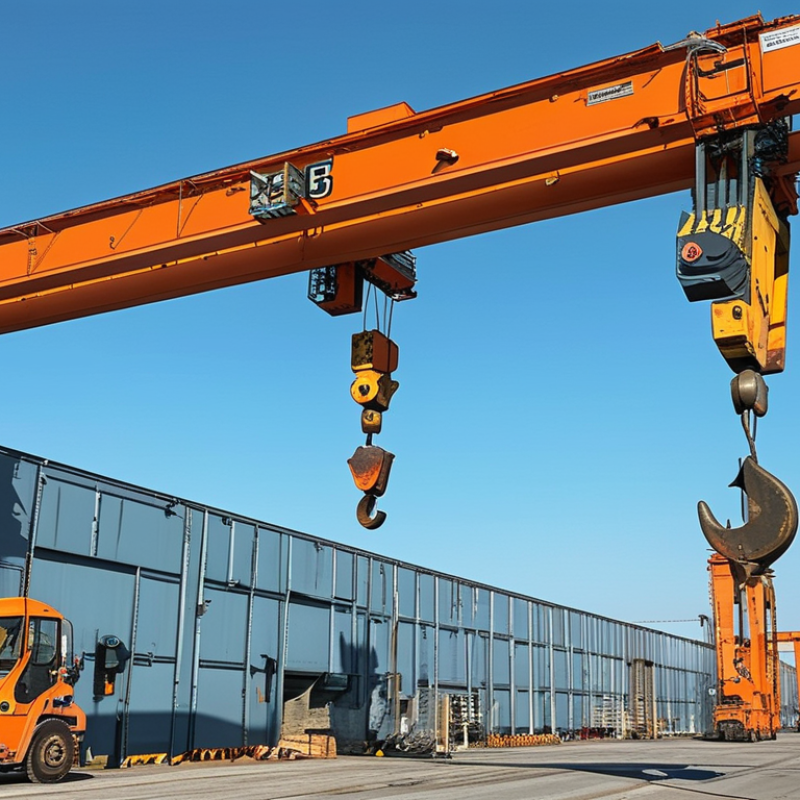
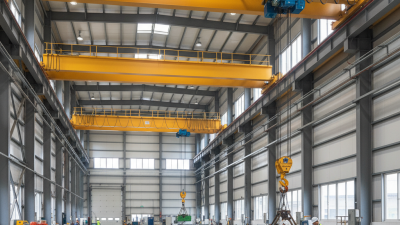
A single girder crane uses one horizontal bridge beam supported by end trucks running along runway rails. A trolley travels across the bridge, while an electric hoist raises and lowers the load. Pendant controls or a radio remote directs movement. Think of a steel beam crossing a workshop, with the hoist sliding beneath it.
The mechanism is simple, but the selection is not. The 2024 Grand View Research crane report projects a 4.6% compound annual growth rate for the global crane market from 2024 to 2030. That growth reflects rising demand for safer, more flexible material handling. However, market growth does not make every crane suitable. Check rated capacity, span, lifting height, travel speed, duty cycle, headroom, and power supply. CMAA Specification No. 70 and ASME B30.17 provide useful engineering and safety references.
Look closely at the load pattern. A 5-ton load moved twice daily differs from a 3-ton load moved every few minutes. In plant assessments, this mistake appears often. A lower-priced crane may look efficient. It may not survive repeated starts, stops, and shock loading. Moisture, dust, heat, and limited aisle space also change the design. Measure the runway and floor before requesting quotations. Small errors become expensive later.