Top Benefits of Single Girder Overhead Crane for Global Buyers?
In the competitive landscape of material handling, the Single Girder Overhead Crane has garnered attention for its efficiency and versatility. Industry expert John Stevenson, a leading engineer at Crane Solutions, states, "The Single Girder Overhead Crane significantly cuts operational costs while enhancing safety."
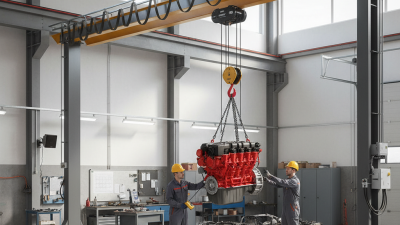
This innovative crane design offers numerous advantages for global buyers. Its lightweight structure allows for easy installation and maintenance, which can reduce downtime. Moreover, the space-saving capabilities are invaluable in crowded facilities. The Single Girder Overhead Crane can lift substantial loads without the bulk of traditional systems.
Despite these advantages, there are areas for improvement. Some users may find it limits lifting capacity compared to double girder options. Ensuring the right application for each project remains a crucial consideration. Buyers must evaluate their specific needs and consider whether the Single Girder Overhead Crane aligns with their operational goals.
Understanding Single Girder Overhead Cranes and Their Functionality
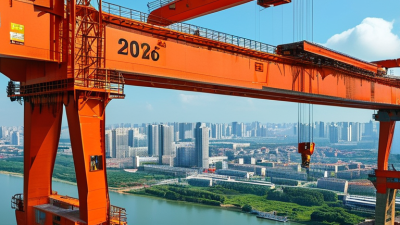
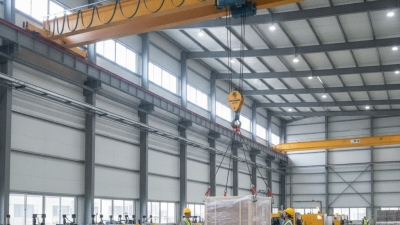
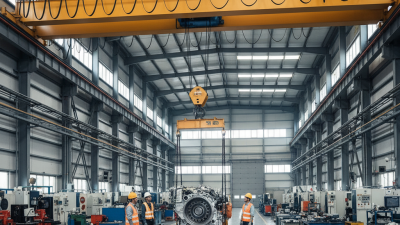
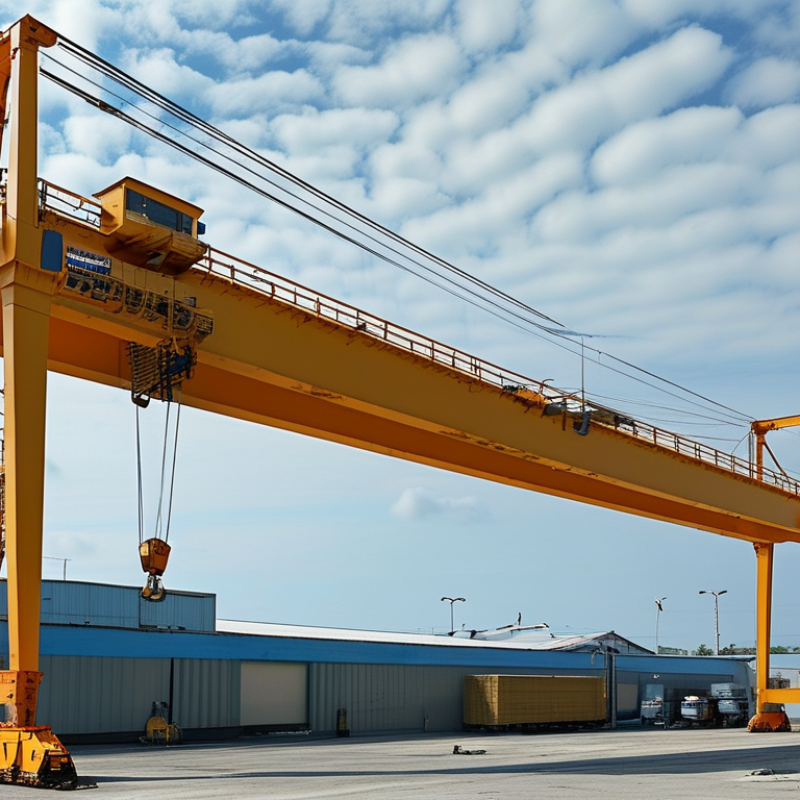
Single girder overhead cranes are vital for various industries, providing efficient material handling. These cranes consist of a single beam supported by end trucks. They operate along elevated tracks, allowing for maximum workspace usage below. This design is beneficial for facilities with limited vertical space, making them suitable for warehouses, manufacturing plants, and assembly lines.
According to a recent industry report, the global overhead crane market is expected to reach $3.4 billion by 2025, with single girder designs leading in demand. Their lightweight structure results in lower operational costs and energy consumption compared to double girder options. Single girder cranes often have a lifting capacity of up to 10 tons, suitable for most light to moderate lifting tasks. This capacity aligns with the needs of small to medium-sized enterprises, emphasizing both practicality and efficiency.
However, potential buyers should consider their specific operational needs. While these cranes excel at lighter loads, they may not support extremely heavy items. Additionally, users must ensure proper installation to enhance durability and safety. Regular inspections and maintenance are crucial to avoid unexpected downtime. Organizations should weigh these factors against the long-term benefits of investing in single girder overhead cranes.
Top Benefits of Single Girder Overhead Crane
Key Advantages of Single Girder Overhead Cranes for Industrial Applications
Single girder overhead cranes bring significant advantages to various industrial applications. They are lightweight yet robust, which allows for efficient lifting capabilities. Their design often results in lower overall costs compared to more complex systems.
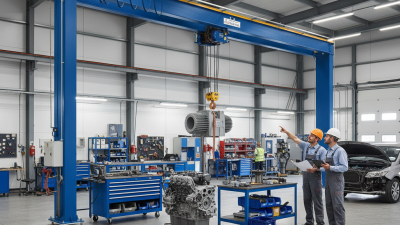
These cranes work well in tight spaces, making them ideal for workshops and manufacturing facilities. They typically require less headroom as they operate closer to the ceiling. With fewer components, maintenance tends to be simpler and less frequent. This ease of upkeep can lead to minimized downtime and increased productivity.
However, there can be moments of consideration. Single girder cranes may have limitations in load capacity or span distance. Buyers should thoroughly assess their needs and consider potential growth. It’s essential to balance initial costs with long-term operational efficiency. Many find that proper selection leads to a satisfying investment that enhances their workflow.
Cost-Effectiveness of Single Girder Overhead Cranes Compared to Others
Single girder overhead cranes are increasingly appealing to global buyers, especially when cost-effectiveness is a priority. These cranes feature a simple design that requires fewer materials. This simplicity often translates to lower initial costs compared to more complex lifting systems. For small to medium-sized operations, this can lead to significant savings.
Moreover, single girder cranes consume less energy during operation. Their lightweight structure means they put less strain on supporting structures. Buyers can benefit from lower operational costs over time. Maintenance requirements are also reduced, as fewer components mean fewer potential points of failure. However, it's essential to ensure that the lifting capacity matches the specific needs. A mismatch may lead to operational inefficiencies.
Consideration must also be given to the intended use in various environments. In confined spaces, for instance, these cranes excel. They can navigate tighter areas without compromising on performance. However, for heavy-duty tasks, they might fall short of expectations. It's crucial to evaluate specific lifting needs before making a purchase decision. Balancing cost and functionality can be challenging, but it is essential for achieving optimal results.
Space Efficiency and Design Flexibility of Single Girder Cranes
Single girder overhead cranes are increasingly popular among global buyers, particularly due to their impressive space efficiency and design flexibility. Unlike their double girder counterparts, single girder cranes utilize less material. This design choice not only reduces weight but also allows for higher lifting heights. Factories and warehouses find them valuable in optimizing their layouts. The open space underneath these cranes provides manufacturers with the freedom to utilize their floors more effectively.
When considering a single girder crane, it's essential to evaluate your space. Measure the height and width of your facility. This information helps in selecting a crane that fits perfectly without wasting valuable overhead room. Flexibility in design plays a significant role too. Many single girder models can be customized to suit specific tasks. This means you can adjust hook heights and configurations to meet unique operational needs.
Ensure your crane is tailored to your workflow. Consider what loads you'll be moving and how often. Custom options may include different colors or control systems. Reflect on how upgrades might be needed later. Opting for a scalable design now can save costs down the road. Check your loading capacity requirements, as this impacts both safety and performance. Users often overlook these needs, resulting in underperformance.
Top Benefits of Single Girder Overhead Crane for Global Buyers
| Benefit |
Description |
Impact on Space Efficiency |
Design Flexibility |
| Lightweight Design |
Single girder cranes use less material, leading to a lower overall weight. |
Reduces the load on building structures, allowing for better use of available space. |
Can be designed to fit in tight or limited spaces. |
| Cost Efficiency |
Overall lower installation and maintenance costs compared to multi-girder cranes. |
Allows companies to maximize their budget while utilizing effective lifting solutions. |
Flexible options for customization according to operational needs. |
| Ease of Installation |
Simplified installation process owing to the lighter weight and less complexity. |
Quick installation means less disruption and more efficient use of space. |
Can be easily adapted to existing infrastructure. |
| Versatile Applications |
Suitable for various industries, including manufacturing, warehousing, and logistics. |
Utilizes vertical space more effectively, enhancing operational efficiency. |
Customizable to specific lifting tasks and working environments. |
Ease of Maintenance and Operation for Single Girder Overhead Cranes
Single girder overhead cranes offer distinct advantages, especially in maintenance and operation. These cranes feature a simple design, leading to easier troubleshooting. A straightforward structure means fewer parts to manage. This simplicity often translates to reduced downtime. When repairs are necessary, technicians can identify issues quickly. As a result, the crane remains operational longer, boosting productivity.
Operation of single girder cranes is intuitive. Operators can learn the controls relatively fast. This reduces the time spent on training. Properly trained staff can handle most tasks without supervision. Additionally, the cranes can operate in tight spaces, making them versatile for various environments. However, operators should remain vigilant about safety protocols. An oversight can lead to accidents, affecting both equipment and personnel.
Maintenance routines can be performed with less complexity. Regular checks are essential to ensure performance. Some users report minor challenges in accessibility for certain parts. These situations require careful planning and may involve extra time. Nevertheless, overall maintenance remains manageable. Using single girder overhead cranes supports efficiency while allowing for smooth operation and maintenance processes.