2026 Top Telescopic Jib Trends for Global Buyers?
As the construction and logistics industries evolve, the demand for advanced equipment increases. One of the standout innovations is the Telescopic Jib. This powerful lifting solution provides exceptional reach and versatility. More buyers are recognizing its value.
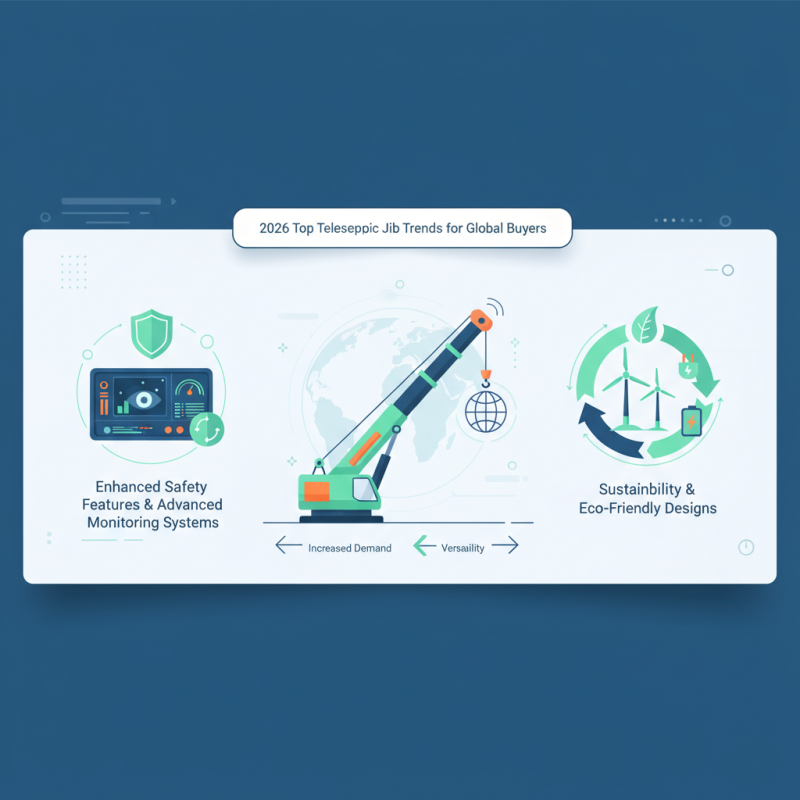
In 2026, various trends will shape the market for Telescopic Jibs. Enhanced safety features will become a priority. Buyers will seek out models equipped with advanced monitoring systems. These systems offer real-time performance analytics. This ensures safer and more efficient operations.
Furthermore, sustainability in manufacturing will lead to eco-friendly designs. Many companies are focusing on reducing their carbon footprint. Adopting Telescopic Jibs that use less energy can benefit both the environment and operational costs. Buyers must stay informed about these trends to make educated decisions. Embracing innovation today can prepare companies for the future challenges in the industry.
Overview of Telescopic Jib Cranes and Their Uses
Telescopic jib cranes play a vital role in various industries. Their unique design allows for extended reach and versatility in lifting. In construction, these cranes excel in placing heavy materials with precision. According to the International Organization for Standardization, the market for jib cranes is projected to grow by 4.9% annually over the next five years.
These cranes are valuable in marine operations as well. They can handle cargo in tight spaces, enhancing loading and unloading processes. Reports indicate that accuracy and speed are crucial in these environments. Operators often face challenges due to space constraints. Advanced training is essential to improve efficiency and safety.
Considering the growth in sectors like construction and logistics, the demand for telescopic jibs is expected to rise. However, users must adapt to evolving technologies. Staying updated with industry advancements ensures optimal usage. Emphasizing safety measures and regular maintenance cannot be overlooked. Misjudgments in load handling can lead to costly accidents. Reflection on operational practices is necessary for continual improvement.
2026 Top Telescopic Jib Trends for Global Buyers
| Dimension |
Standard Capacity (tons) |
Max Reach (meters) |
Operating Mode |
Main Uses |
| Compact Jib |
3 |
10 |
Manual |
Construction Sites |
| Articulating Jib |
5 |
12 |
Electric |
Warehouse Operations |
| Heavy-Duty Jib |
10 |
15 |
Remote Controlled |
Shipbuilding |
| Versatile Jib |
7 |
12 |
Hybrid |
Installation Works |
| Portable Jib |
2 |
8 |
Manual |
Maintenance Tasks |
Key Technological Innovations in Telescopic Jib Designs for 2026
As we approach 2026, telescopic jibs are undergoing significant transformations. The industry is seeing innovations that enhance functionality and safety. Manufacturers are focusing on lightweight materials, improving load capacity without sacrificing strength. These advancements contribute to more efficient lifting operations in various sectors.
One popular trend is the integration of advanced sensors. These sensors provide real-time data about load weight and stability. They enhance operator awareness, making it easier to avoid potential hazards. This technological shift is crucial, especially in construction settings, where safety is paramount.
Tip: Always consider the equipment's weight limits. Overloading can lead to dangerous situations. Understand the specifications of the jib you use.
It's important to reflect on the industry's push for
sustainability. Many designs now prioritize
eco-friendly materials. However, the balance between innovation and environmental responsibility remains a challenge. Continuous improvement is necessary.
Tip: Regular maintenance is key to safe operations. Inspecting the jib regularly can prevent accidents and extend its lifespan.
The future of telescopic jibs looks promising. With ongoing innovations, buyers can expect equipment that is not only more efficient but also safer. These advancements signal an exciting era for the industry.
Market Analysis: Demand and Supply Trends in Global Telescopic Jib Sales
The global telescopic jib market is seeing significant shifts. Demand is rising due to increased construction projects worldwide. This trend is fueled by urbanization and infrastructure development. Both factors are pushing more buyers to consider telescopic jibs for their flexibility and efficiency.
Supply chains are adapting to this demand surge. Manufacturers are optimizing production processes. This helps to meet the growing needs in various regions. However, sourcing quality materials remains a challenge. Buyers must be cautious about suppliers to ensure reliability.
Tip: Always verify manufacturer credentials. Look for industry certifications to ensure quality.
Pricing strategies are evolving as well. Competitive pricing can attract more buyers. Nonetheless, balance is essential. Compromising quality for lower costs may lead to issues down the line. Be mindful of long-term operational costs associated with cheaper jibs.
Tip: Research thoroughly before making purchasing decisions. Small investments in research can yield significant savings.
Emerging technologies are influencing the market too. Innovations in design and materials are enhancing performance. However, not all new products meet the expected safety and efficiency standards. Always prioritize safety and functionality over trends.
Sustainability Factors Influencing the Telescopic Jib Market in 2026
In 2026, sustainability will significantly shape the telescopic jib market. Buyers are increasingly concerned about environmental impacts. This trend reflects a broader shift toward eco-friendly construction practices. Jibs made from recycled materials may become more popular. Companies could focus on reducing emissions during manufacturing. This approach resonates with a growing number of environmentally conscious consumers.
Regulations will likely play a key role in this shift. Compliance with stricter environmental standards is essential. Manufacturers may need to invest in innovative technologies. This could lead to more efficient jibs, lowering the carbon footprint. Nonetheless, challenges remain in balancing costs and sustainable practices. Some firms might struggle to adapt or resist change. The market demands flexibility and commitment.
Consumer education will also be crucial in this evolving landscape. Buyers should understand the benefits of eco-friendly equipment. Well-informed decisions can drive the market toward sustainability. Yet, there's a need for transparent practices. This ensures buyers recognize genuine efforts versus greenwashing. The road ahead will not be easy, but the potential for positive change is significant.
Future Outlook: Predictions and Opportunities for Buyers in the Jib Sector
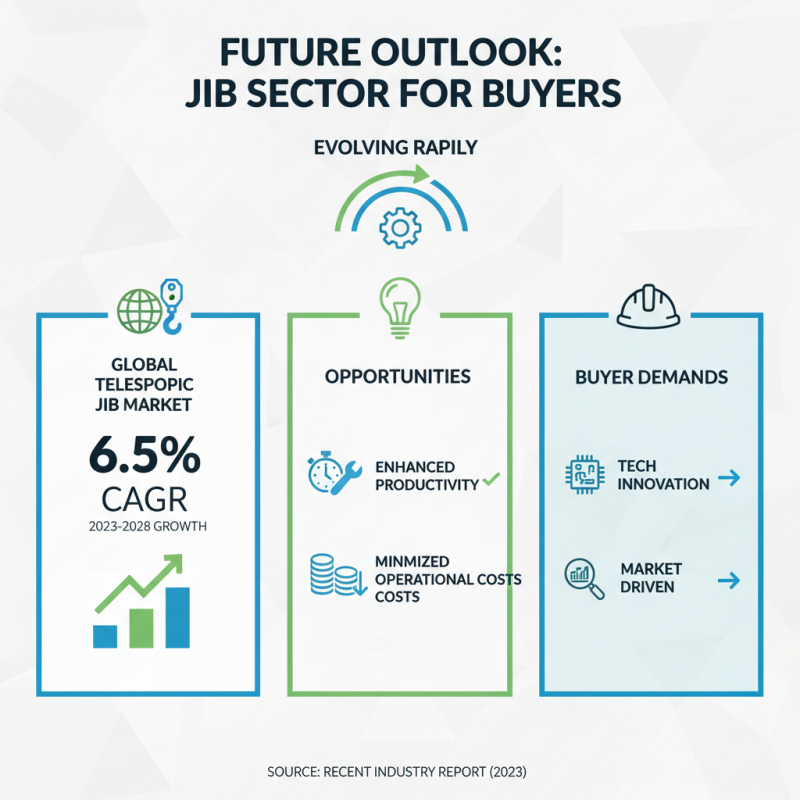
The jib sector is evolving rapidly, driven by technological innovation and market demands. According to a recent industry report, the global telescopic jib market is expected to grow at a CAGR of 6.5% from 2023 to 2028. This growth presents both opportunities and challenges for buyers. Crane operators increasingly seek equipment that enhances productivity while minimizing operational costs.
One significant trend is the emphasis on safety features in jib designs. With safety incidents making headlines, manufacturers focus on enhancing stability and control. Buyers should weigh these advancements against their budget constraints. Data suggests that investing in advanced safety technologies can reduce accident rates by up to 30%. However, the initial costs may deter some buyers from making these essential upgrades.
Another area generating interest is the rise of electric-driven jibs. The push for greener solutions is reshaping buyer preferences. In 2022, approximately 40% of customers expressed preference for electric models due to lower emissions. Yet, the need for reliable charging infrastructure remains a hurdle. Buyers are encouraged to consider these factors while evaluating their options. Balancing innovation and practical implementation is key in this dynamic market.